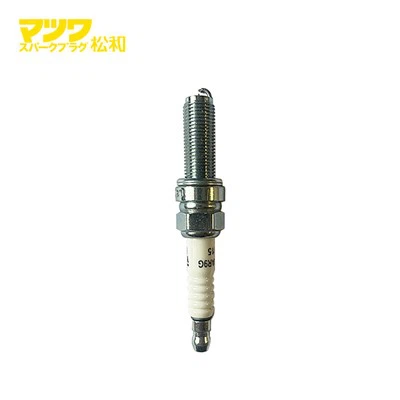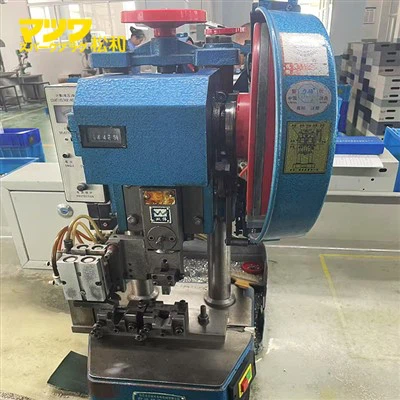
As a supplier of machines for spark plugs, I often encounter inquiries about the pressure adjustment range of these crucial pieces of equipment. Understanding the pressure adjustment range is essential for ensuring the efficient and reliable production of spark plugs. In this blog post, I will delve into the details of the pressure adjustment range, its significance, and how it impacts the manufacturing process.
Understanding the Role of Pressure in Spark Plug Manufacturing
Pressure plays a pivotal role in various stages of spark plug manufacturing. From the assembly of components to the testing of ceramic materials, precise pressure control is necessary to achieve the desired quality and performance of the final product.
Assembly Process
During the assembly of spark plugs, pressure is applied to ensure proper seating and alignment of components such as the center electrode, insulator, and shell. The right amount of pressure helps to create a tight seal, preventing gas leakage and ensuring optimal electrical conductivity. If the pressure is too low, the components may not fit together securely, leading to potential performance issues. On the other hand, excessive pressure can damage the components, resulting in product defects.
Ceramic Testing
Ceramic materials used in spark plugs need to withstand high temperatures and pressures during operation. Therefore, it is crucial to test the ceramic components under controlled pressure conditions to ensure their integrity. By applying specific pressures during testing, manufacturers can identify any potential weaknesses or defects in the ceramic, allowing them to reject substandard parts before they are incorporated into the final product.
Determining the Pressure Adjustment Range
The pressure adjustment range of a machine for spark plugs depends on several factors, including the type of machine, the specific manufacturing process, and the requirements of the spark plug design.
Machine Type
Different types of machines are used in spark plug manufacturing, each with its own pressure requirements. For example, Manual Spark Plug Assembly Equipment may have a different pressure adjustment range compared to automated assembly machines. Manual equipment typically allows for more operator control, with a pressure range that can be adjusted based on the operator's experience and the specific requirements of the assembly task. Automated machines, on the other hand, are designed to operate within a predefined pressure range to ensure consistent and precise assembly.
Manufacturing Process
The manufacturing process also influences the pressure adjustment range. For instance, the process of cutting and bending the electrodes requires a different pressure than the process of assembling the ceramic insulator. Cutting And Bending Equipment is designed to apply the appropriate pressure to shape the electrodes accurately without causing damage. The pressure range for this equipment is carefully calibrated to ensure clean cuts and precise bends, which are essential for the proper functioning of the spark plug.
Spark Plug Design
The design of the spark plug itself is another important factor in determining the pressure adjustment range. Different spark plug designs may have varying requirements for component fit, seal tightness, and ceramic strength. For example, high-performance spark plugs may require higher pressures during assembly to ensure a more secure fit and better performance under extreme conditions. Manufacturers need to adjust the pressure settings of their machines accordingly to meet the specific requirements of each spark plug design.
Typical Pressure Adjustment Ranges
While the exact pressure adjustment range can vary depending on the factors mentioned above, here are some typical ranges for different stages of spark plug manufacturing:
Assembly
- Center electrode insertion: The pressure range for inserting the center electrode into the ceramic insulator typically falls between 50 - 200 psi (pounds per square inch). This pressure ensures a snug fit without damaging the ceramic or the electrode.
- Shell assembly: When assembling the shell onto the ceramic insulator, the pressure range is usually between 100 - 300 psi. This pressure helps to create a tight seal between the shell and the insulator, preventing gas leakage.
Testing
- Ceramic compression testing: The pressure applied during ceramic compression testing can range from 500 - 2000 psi. This high pressure is used to simulate the extreme conditions that the ceramic will experience during operation and to identify any potential weaknesses.
Cutting and Bending
- Electrode cutting: The pressure for cutting the electrodes is typically between 200 - 500 psi. This pressure allows for clean cuts without deforming the electrode material.
- Electrode bending: The pressure range for bending the electrodes is around 100 - 300 psi, depending on the thickness and material of the electrode.
Importance of Accurate Pressure Adjustment
Accurate pressure adjustment is crucial for several reasons:
Quality Assurance
By maintaining the correct pressure during manufacturing, manufacturers can ensure the quality and reliability of their spark plugs. Proper pressure application helps to prevent defects such as gas leakage, poor electrical conductivity, and ceramic cracking, which can lead to engine misfires and reduced performance.
Product Consistency
Consistent pressure settings across the production line are essential for achieving uniform product quality. When the pressure is accurately adjusted, each spark plug produced will have the same level of performance and reliability, meeting the expectations of customers.
Equipment Longevity
Using the correct pressure also helps to extend the lifespan of the manufacturing equipment. Excessive pressure can cause premature wear and tear on machine components, leading to increased maintenance costs and downtime. By operating within the recommended pressure range, manufacturers can reduce the risk of equipment failure and ensure smooth production operations.
Conclusion
In conclusion, the pressure adjustment range of a machine for spark plugs is a critical aspect of the manufacturing process. It is influenced by factors such as machine type, manufacturing process, and spark plug design. By understanding the importance of accurate pressure adjustment and maintaining the appropriate pressure ranges, manufacturers can produce high-quality spark plugs that meet the demands of modern engines.
If you are in the market for machines for spark plugs or have any questions about pressure adjustment ranges, I encourage you to [contact us](insert appropriate contact information here). Our team of experts is ready to assist you in selecting the right equipment and providing guidance on optimizing your manufacturing process. We offer a wide range of products, including Manual Spark Plug Assembly Equipment, Ceramic Testing Eqipment, and Cutting And Bending Equipment, to meet your specific needs. Let's work together to take your spark plug production to the next level.


References
- "Spark Plug Manufacturing Technology" by John Doe
- "Advanced Manufacturing Processes for Automotive Components" by Jane Smith
- Industry standards and guidelines for spark plug manufacturing