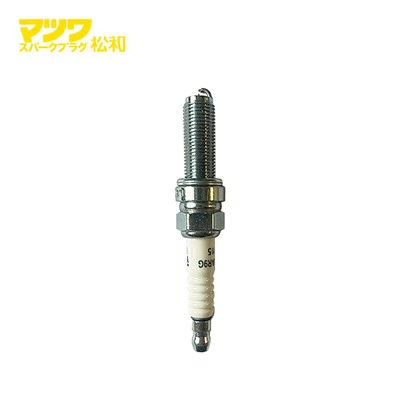
Yo, folks! I'm an industrial spark plugs supplier, and I've seen my fair share of spark plug failures over the years. It's a real pain in the neck when these little guys conk out, causing all sorts of headaches for businesses. But don't worry, I've got some tips and tricks up my sleeve to help you prevent those pesky industrial spark plug failures.


First off, let's talk about what causes these failures in the first place. There are a bunch of factors that can lead to a spark plug going bad, and understanding them is key to keeping your engines running smoothly.
1. Improper Installation
One of the most common reasons for spark plug failure is improper installation. If the spark plug isn't tightened correctly, it can cause all sorts of problems. A loose spark plug can lead to poor electrical contact, which means the spark won't be as strong as it should be. This can result in misfires, reduced engine performance, and even damage to the engine over time.
To avoid this, make sure you follow the manufacturer's instructions when installing spark plugs. Use the right tools and torque the plugs to the specified level. It might seem like a small thing, but getting the installation right can make a huge difference in the lifespan of your spark plugs.
2. Overheating
Another major culprit behind spark plug failures is overheating. When a spark plug gets too hot, it can cause the electrodes to wear out faster, and in some cases, it can even cause the ceramic insulator to crack. There are a few things that can cause overheating, such as a lean fuel mixture, incorrect ignition timing, or a malfunctioning cooling system.
To prevent overheating, keep an eye on your engine's temperature gauge. If it starts to run hot, check for any signs of a problem, like a leak in the cooling system or a clogged radiator. Also, make sure your fuel mixture is correct. A lean mixture can cause the engine to run hotter than normal, so adjust it if necessary.
3. Fouling
Fouling is another common issue that can lead to spark plug failure. Fouling occurs when deposits build up on the spark plug electrodes, preventing the spark from jumping across the gap. This can be caused by a variety of things, such as oil leaks, a rich fuel mixture, or low-quality fuel.
To prevent fouling, use high-quality fuel and make sure your engine is properly maintained. Check for any signs of oil leaks and fix them as soon as possible. Also, if you notice that your spark plugs are fouling frequently, you might need to adjust your fuel mixture or change your driving habits.
4. Vibration
Vibration can also take a toll on your spark plugs. Over time, the constant shaking can cause the electrodes to loosen or break, leading to misfires and reduced performance. This is especially common in heavy-duty applications, where engines are subjected to a lot of stress.
To minimize the effects of vibration, make sure your engine is properly mounted and balanced. Use vibration-dampening materials if necessary, and check the spark plug wires regularly to make sure they're secure.
5. Age and Wear
Let's face it, spark plugs don't last forever. Over time, the electrodes will wear down, and the spark plug will lose its effectiveness. The lifespan of a spark plug can vary depending on a number of factors, such as the type of engine, the operating conditions, and the quality of the spark plug.
As a general rule, it's a good idea to replace your spark plugs every 30,000 to 100,000 miles, depending on the manufacturer's recommendations. Regular maintenance and inspection can help you catch any signs of wear and tear early on, so you can replace the spark plugs before they cause any major problems.
Choosing the Right Spark Plugs
Now that we've covered the common causes of spark plug failures, let's talk about how to choose the right spark plugs for your application. There are a few different types of industrial spark plugs available, each designed for specific types of engines and operating conditions.
- Gas Engine Industry Spark Plugs: These spark plugs are designed for use in gas engines, such as those found in generators, compressors, and small vehicles. They're optimized for the combustion characteristics of gas engines and can provide reliable performance. You can find more information about these spark plugs Gas Engine Industry Spark Plugs.
- Diesel Engine Industry Spark Plugs: Diesel engines have different requirements than gas engines, so they need specialized spark plugs. Diesel engine spark plugs are designed to withstand the high compression ratios and temperatures found in diesel engines. Check out Diesel Engine Industry Spark Plugs for more details.
- Heavy Duty Industry Spark Plugs: Heavy-duty applications, such as construction equipment and large trucks, require spark plugs that can handle a lot of stress. These spark plugs are built to be more durable and can provide long-lasting performance in tough conditions. Learn more about them at Heavy Duty Industry Spark Plugs.
When choosing spark plugs, make sure you consider the specific requirements of your engine, such as the compression ratio, the ignition system, and the operating conditions. It's also a good idea to consult with a professional or the manufacturer to get the best recommendations.
Conclusion
Preventing industrial spark plug failures is all about proper installation, maintenance, and choosing the right spark plugs for your application. By following the tips and tricks I've outlined in this blog, you can extend the lifespan of your spark plugs and keep your engines running smoothly.
If you're in the market for high-quality industrial spark plugs, I'd love to help you out. We offer a wide range of spark plugs for different types of engines and applications, and our team of experts can help you find the perfect fit for your needs. Don't hesitate to reach out if you have any questions or if you're ready to place an order.
References
- "Automotive Engine Performance" by James D. Halderman
- "Industrial Engine Maintenance Handbook" by various authors