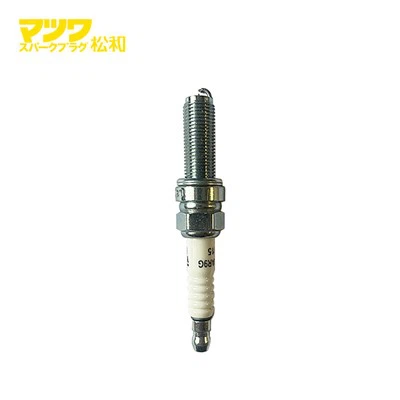
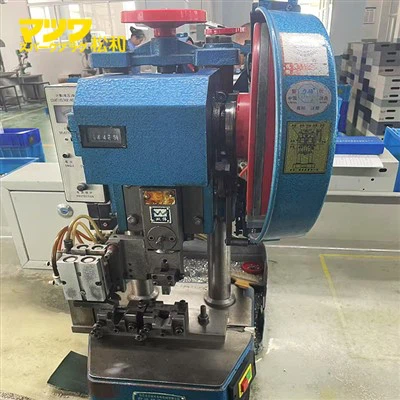
In today's era, environmental protection has become an increasingly crucial issue across all industries. As a supplier of machines for spark plugs, we are acutely aware of our responsibility to reduce the environmental impact of our products. This blog post will explore various strategies and approaches that can be employed to minimize the ecological footprint of spark plug manufacturing machines.
1. Energy - Efficiency Improvements
One of the most significant ways to reduce the environmental impact of a machine for spark plugs is by enhancing its energy efficiency. Traditional manufacturing machines often consume large amounts of electricity, contributing to high carbon emissions. By implementing advanced energy - saving technologies, we can significantly cut down on energy consumption.
For instance, using high - efficiency motors can make a substantial difference. These motors are designed to convert electrical energy into mechanical energy more effectively, reducing the amount of wasted energy in the form of heat. Variable frequency drives (VFDs) can also be installed on the machines. VFDs adjust the speed of the motor according to the actual load requirements, preventing the motor from running at full speed when it is not necessary. This not only saves energy but also extends the lifespan of the motor.
Another aspect is the use of intelligent control systems. These systems can monitor the energy consumption of the machine in real - time and optimize the operation process accordingly. For example, they can detect idle periods and automatically put the machine into a low - power mode, reducing unnecessary energy consumption.
2. Material Selection and Recycling
The materials used in the manufacturing of spark plug machines also have a significant impact on the environment. When selecting materials, we should prioritize those that are sustainable and have a low environmental impact. For example, using recycled metals can reduce the need for mining and processing of virgin materials, which is often energy - intensive and environmentally damaging.

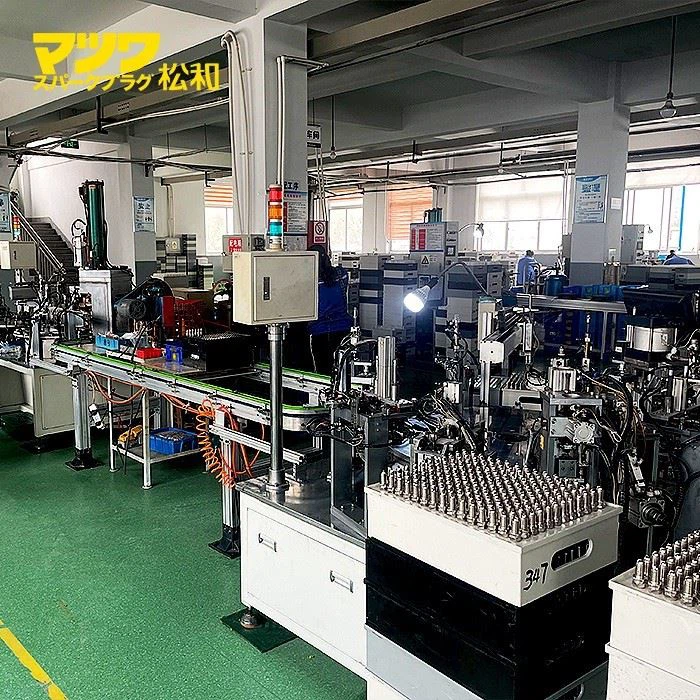
In addition to using recycled materials, we should also focus on the recyclability of the machine itself. Designing the machine in a modular way makes it easier to disassemble at the end of its life cycle. Components can then be separated and recycled more efficiently. For example, the metal parts can be melted down and reused, while the plastic components can be recycled through appropriate plastic recycling processes.
3. Reducing Waste Generation
Waste generation is a major concern in the manufacturing process. In the production of spark plug machines, waste can come in various forms, such as scrap metal, plastic waste, and packaging materials. To reduce waste, we can implement lean manufacturing principles. Lean manufacturing aims to eliminate non - value - added activities in the production process, which often leads to the generation of waste.
For example, by optimizing the cutting and machining processes, we can minimize the amount of scrap metal produced. Using precision cutting tools and advanced machining techniques can ensure that the materials are used more efficiently. In terms of packaging materials, we can switch to more sustainable options. For instance, replacing single - use plastic packaging with biodegradable or reusable packaging materials can significantly reduce waste.
4. Air Leakage Detection
Air leakage in the machine can lead to increased energy consumption and reduced efficiency. By using Air Leakage Detection Equiment, we can detect and fix air leaks in the machine promptly. This equipment can accurately identify the location and severity of air leaks, allowing us to take corrective measures.
Regular maintenance and inspection using air leakage detection equipment can ensure that the machine is operating at its optimal level. By reducing air leakage, we can save energy and improve the overall performance of the machine, thus reducing its environmental impact.
5. Noise and Emission Reduction
The operation of spark plug machines can generate noise and emissions, which can have a negative impact on the environment and the health of workers. To reduce noise, we can use sound - absorbing materials in the design of the machine. These materials can dampen the noise generated during the operation of the machine, creating a more comfortable working environment.
In terms of emissions, we should ensure that the machine meets the strictest environmental standards. For example, if the machine has a combustion process, we should use clean - burning fuels and install emission control devices, such as catalytic converters, to reduce harmful emissions.
6. Automation and Process Optimization
Automation plays a crucial role in reducing the environmental impact of spark plug machines. Automatic Spark Plug Assembly Equiment can perform tasks more precisely and efficiently than manual labor. This leads to less material waste and lower energy consumption.
Automated machines can also be programmed to optimize the production process. For example, they can adjust the speed and pressure of the operation according to the specific requirements of each spark plug, ensuring that the manufacturing process is as efficient as possible.
7. Packaging Optimization
The packaging of the finished spark plug machines also contributes to the environmental impact. Fully Automatic Box Packaging Machine can be used to optimize the packaging process. These machines can use the minimum amount of packaging material while still ensuring the safety of the machine during transportation.
By reducing the amount of packaging material, we can not only save resources but also reduce the waste generated at the customer's end. Additionally, using sustainable packaging materials, such as corrugated cardboard made from recycled paper, can further reduce the environmental impact.
8. Continuous Improvement and Research
The journey to reduce the environmental impact of spark plug machines is an ongoing process. We should continuously invest in research and development to find new and better ways to improve the environmental performance of our machines. This may involve collaborating with research institutions and other industry players to share knowledge and resources.
Regularly monitoring and evaluating the environmental impact of our machines is also essential. By collecting data on energy consumption, waste generation, and emissions, we can identify areas for improvement and implement targeted measures.
Conclusion
Reducing the environmental impact of a machine for spark plugs is a multi - faceted challenge that requires a comprehensive approach. By focusing on energy efficiency, material selection, waste reduction, and other aspects mentioned above, we can make significant progress in minimizing the ecological footprint of our products.
As a supplier of spark plug machines, we are committed to providing our customers with environmentally friendly solutions. We believe that by working together, we can not only meet the needs of the market but also contribute to a more sustainable future.
If you are interested in our environmentally friendly spark plug machines or would like to discuss potential cooperation opportunities, please feel free to contact us for procurement and negotiation. We look forward to hearing from you and working with you to achieve a greener manufacturing process.
References
- Ashby, M. F. (2009). Materials and the Environment: Eco - informed Material Choice. Butterworth - Heinemann.
- Womack, J. P., & Jones, D. T. (1996). Lean Thinking: Banish Waste and Create Wealth in Your Corporation. Simon & Schuster.