As a supplier of Motorcraft Spark Plugs, I often encounter questions from customers regarding the recyclability of these essential automotive components. In this blog post, I'll delve into the topic of whether Motorcraft Spark Plugs can be recycled, exploring the materials they're made of, the recycling process, and the environmental implications.
Understanding Motorcraft Spark Plugs
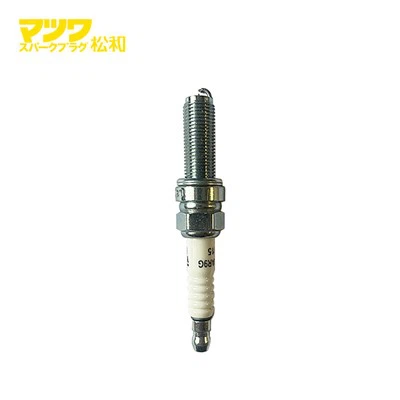
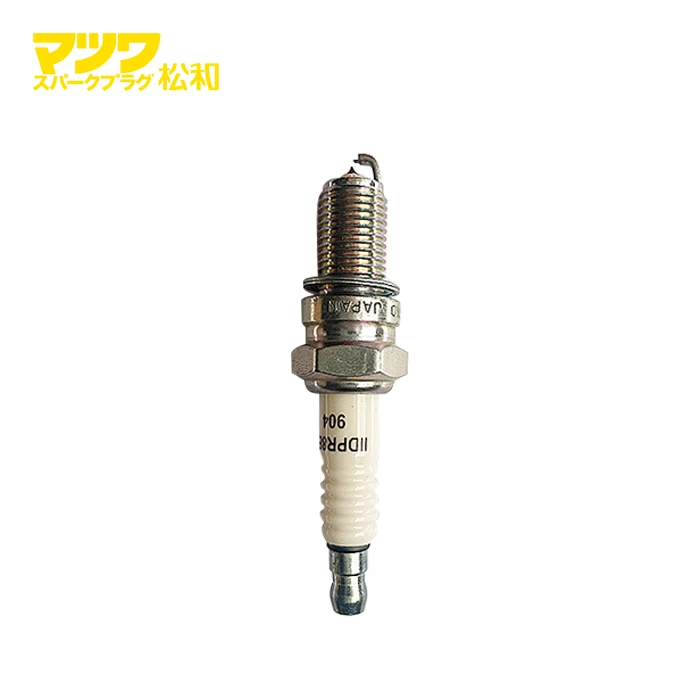
Motorcraft Spark Plugs are engineered to provide reliable ignition in a wide range of vehicles, from cars and trucks to motorcycles. These plugs are designed to withstand high temperatures and pressures, ensuring optimal performance and efficiency. They typically consist of several key components, each with its own unique properties and functions.
The central electrode, usually made of a high - conductivity metal such as copper or platinum, is responsible for conducting the electrical current that creates the spark. The insulator, often made of ceramic, isolates the electrode and prevents electrical leakage. The outer shell, typically made of steel, provides structural support and protection for the internal components.
The Recyclability of Motorcraft Spark Plugs
The answer to whether Motorcraft Spark Plugs can be recycled is a resounding yes. However, the recycling process is not as straightforward as recycling other common materials like paper or plastic. This is because spark plugs are composed of multiple materials, each requiring a different approach for recycling.
Recycling the Metals
The metals used in Motorcraft Spark Plugs, such as copper, platinum, and steel, are highly recyclable. Copper is a valuable metal that can be melted down and reused in a variety of applications, including electrical wiring and plumbing. Platinum, a precious metal, is also recyclable and has a high market value. It is often used in the automotive industry for catalytic converters and in the jewelry industry.
Steel, the main component of the spark plug's outer shell, is one of the most recycled materials in the world. Recycling steel reduces the need for virgin iron ore extraction, which in turn conserves natural resources and reduces energy consumption.
Recycling the Ceramic Insulator
The ceramic insulator in Motorcraft Spark Plugs can also be recycled, although the process is more complex. Ceramic recycling typically involves crushing the ceramic material into a fine powder, which can then be used as a raw material in the production of new ceramics or other products.
The Recycling Process
The recycling process for Motorcraft Spark Plugs generally involves the following steps:
- Collection: Spark plugs are collected from various sources, such as automotive repair shops, dealerships, and consumers. These used spark plugs are then sorted and transported to a recycling facility.
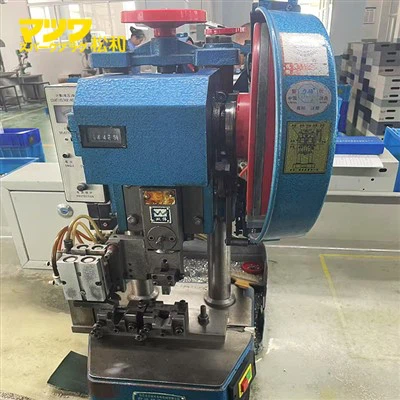
- Dismantling: At the recycling facility, the spark plugs are dismantled to separate the different components. This is typically done using specialized machinery that can safely and efficiently remove the electrodes, insulators, and outer shells.
- Metal Separation: The metals are separated from each other using a combination of physical and chemical processes. For example, magnetic separation can be used to separate the steel from the non - magnetic metals, while chemical processes can be used to extract the precious metals like platinum.
- Ceramic Recycling: The ceramic insulators are crushed and processed to prepare them for reuse. This may involve grinding the ceramic into a fine powder and then using it as a raw material in the production of new ceramics.
- Reuse: The recycled metals and ceramics are then used to manufacture new products, including spark plugs.
Environmental Benefits of Recycling Motorcraft Spark Plugs
Recycling Motorcraft Spark Plugs offers several environmental benefits. Firstly, it reduces the demand for virgin materials. By recycling the metals and ceramics in spark plugs, we can conserve natural resources and reduce the environmental impact of mining and extraction.
Secondly, recycling spark plugs reduces energy consumption. The process of extracting and refining virgin materials requires a significant amount of energy, while recycling these materials uses much less energy. For example, recycling steel can save up to 75% of the energy required to produce new steel from iron ore.

Finally, recycling spark plugs helps to reduce waste sent to landfills. By diverting these used components from landfills, we can reduce the amount of waste that decomposes and releases harmful greenhouse gases into the atmosphere.
Applications of Recycled Spark Plug Materials
The recycled materials from Motorcraft Spark Plugs have a wide range of applications. The recycled metals can be used in the automotive industry to manufacture new spark plugs, as well as other components such as engine blocks and transmission parts. They can also be used in other industries, such as electronics and construction.
The recycled ceramic material can be used in the production of new ceramics, including insulators for electrical equipment and refractory materials for high - temperature applications.
Related Products
If you're interested in other types of spark plugs, we also offer a variety of options for motorcycles. Check out our Kawasaki Ninja 400 Spark Plug, 1995 Honda Shadow 1100 Spark Plugs, and Platinum Motorcycle Spark Plugs.
Conclusion
In conclusion, Motorcraft Spark Plugs can indeed be recycled, and the recycling process offers significant environmental benefits. By recycling these essential automotive components, we can conserve natural resources, reduce energy consumption, and minimize waste sent to landfills.
As a supplier of Motorcraft Spark Plugs, I encourage all consumers and businesses to participate in the recycling process. If you have any questions about our products or the recycling process, or if you're interested in purchasing Motorcraft Spark Plugs, please feel free to contact us. We're here to provide you with the best products and services to meet your needs.
References
- "Automotive Recycling: A Guide to Best Practices." Environmental Protection Agency.
- "Recycling Metals: Benefits and Processes." Institute of Scrap Recycling Industries.
- "Ceramic Recycling: Technologies and Applications." Journal of Materials Recycling.