Hey there! As a supplier of Ceramic Testing Eqipment, I've seen firsthand how these nifty pieces of gear are making waves across different industries. Let's dive into the various applications of ceramic testing equipment in different sectors.
Automotive Industry
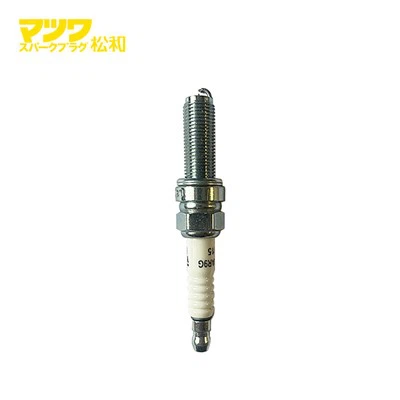
The automotive world is one of the biggest users of ceramic testing equipment. Spark plugs, for example, are a crucial component in an engine. They rely on high - quality ceramics to function properly. Our Ceramic Testing Eqipment can check the electrical insulation properties of the ceramic in spark plugs. If the insulation is poor, it can lead to misfires, reduced fuel efficiency, and even engine damage.


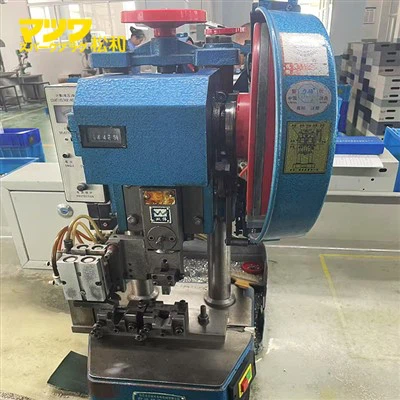
We also have Cut Side Bending Equipment that can be used in the manufacturing process of spark plugs. This equipment helps in ensuring that the ceramic parts are bent to the right specifications. Any deviation in the bending can affect the performance of the spark plug. And with our Automatic Platinum Picking Device, we can precisely place platinum tips on the spark plugs. The ceramic testing equipment here makes sure that the ceramic can withstand the high temperatures and electrical stresses generated during the combustion process.
Aerospace Industry
In the aerospace sector, ceramics are used in a variety of applications, from heat shields to turbine components. Our ceramic testing equipment plays a vital role in ensuring the safety and reliability of these parts. For heat shields, the equipment can test the thermal conductivity and heat resistance of the ceramics. This is crucial because heat shields need to protect the aircraft from the extreme heat generated during re - entry or high - speed flight.
When it comes to turbine components, the ceramic testing equipment can check for mechanical strength and fatigue resistance. Turbine blades made of ceramics need to withstand high rotational speeds and extreme temperatures. By using our testing equipment, aerospace manufacturers can detect any potential flaws in the ceramics before they are installed in the engines. This helps in preventing catastrophic failures and ensuring the safety of the passengers and crew.
Electronics Industry
The electronics industry is another major consumer of ceramic products. Ceramics are used in capacitors, resistors, and substrates. Our ceramic testing equipment can measure the dielectric constant and loss tangent of ceramic capacitors. These parameters are critical for the performance of the capacitors in electronic circuits. A wrong dielectric constant can lead to improper functioning of the circuit, such as incorrect filtering or signal processing.
For ceramic substrates, the testing equipment can check for flatness, surface roughness, and thermal expansion coefficient. These properties are important for the proper mounting of electronic components on the substrates. If the substrate has a high thermal expansion coefficient, it can cause the components to become misaligned or even break during temperature changes. Our Ceramic Testing Eqipment helps electronics manufacturers to produce high - quality products with consistent performance.
Medical Industry
In the medical field, ceramics are used in dental implants, bone substitutes, and medical devices. Our ceramic testing equipment can assess the biocompatibility of the ceramics. This is essential because the ceramics need to be safe for use inside the human body. The equipment can also test the mechanical properties of dental implants, such as hardness and fracture toughness. A dental implant with low fracture toughness may break under normal chewing forces, causing discomfort and additional dental problems.
For bone substitutes, the testing equipment can evaluate the porosity and surface characteristics of the ceramics. These properties affect the integration of the bone substitute with the natural bone. By using our testing equipment, medical device manufacturers can ensure that their products meet the strict safety and performance standards required in the medical industry.
Energy Industry
The energy industry, including both renewable and non - renewable energy sources, also benefits from ceramic testing equipment. In the case of fuel cells, ceramics are used as electrolytes. Our testing equipment can measure the ionic conductivity of the ceramic electrolytes. High ionic conductivity is necessary for the efficient operation of fuel cells. If the ionic conductivity is low, the fuel cell will have a low power output and poor efficiency.
In nuclear power plants, ceramics are used in reactor components. The ceramic testing equipment can check for radiation resistance and chemical stability of the ceramics. These properties are crucial because the ceramics need to withstand the harsh environment inside the nuclear reactor, including high radiation levels and corrosive chemicals.
Construction Industry
In the construction industry, ceramics are used in tiles, bricks, and insulation materials. Our ceramic testing equipment can test the water absorption rate of ceramic tiles. A high water absorption rate can lead to problems such as cracking and staining over time. The equipment can also measure the compressive strength of ceramic bricks. This is important for ensuring the structural integrity of buildings.
For ceramic insulation materials, the testing equipment can evaluate the thermal insulation properties. Good thermal insulation can help in reducing energy consumption in buildings by keeping the indoor temperature stable.
Conclusion
As you can see, ceramic testing equipment has a wide range of applications across different industries. Whether it's ensuring the safety of aerospace components, the performance of electronic devices, or the durability of construction materials, our Ceramic Testing Eqipment is up to the task.
If you're in any of these industries and are looking for reliable ceramic testing solutions, we'd love to talk to you. Our team of experts can help you find the right equipment for your specific needs. Don't hesitate to reach out and start a conversation about how we can work together to improve the quality of your ceramic products.
References
- "Ceramics in Engineering Applications" - A comprehensive book on the use of ceramics in various industries.
- "Testing and Characterization of Ceramic Materials" - A research paper that details the different testing methods for ceramics.