Hey there, fellow marine enthusiasts! As a supplier of marine spark plugs, I've had my fair share of chats with boat owners, mechanics, and just about anyone who's interested in keeping their marine engines running smoothly. One question that pops up quite often is about the role of the insulator in marine spark plugs. So, let's dive right in and break it down.
First off, what exactly is a marine spark plug? Well, it's a crucial component in your boat's engine. It's responsible for creating the spark that ignites the air-fuel mixture in the combustion chamber, which in turn powers your engine. There are two main types of marine spark plugs: Diesel Marine Spark Plugs and Gasoline Marine Spark Plugs. Each type has its own unique characteristics, but they both rely on a key part: the insulator.
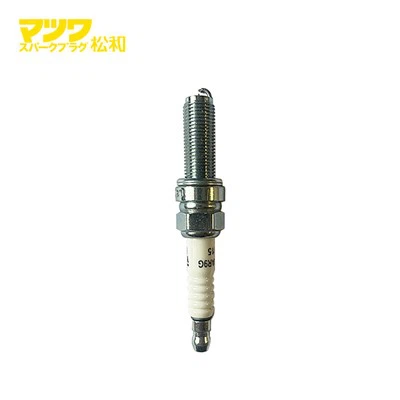
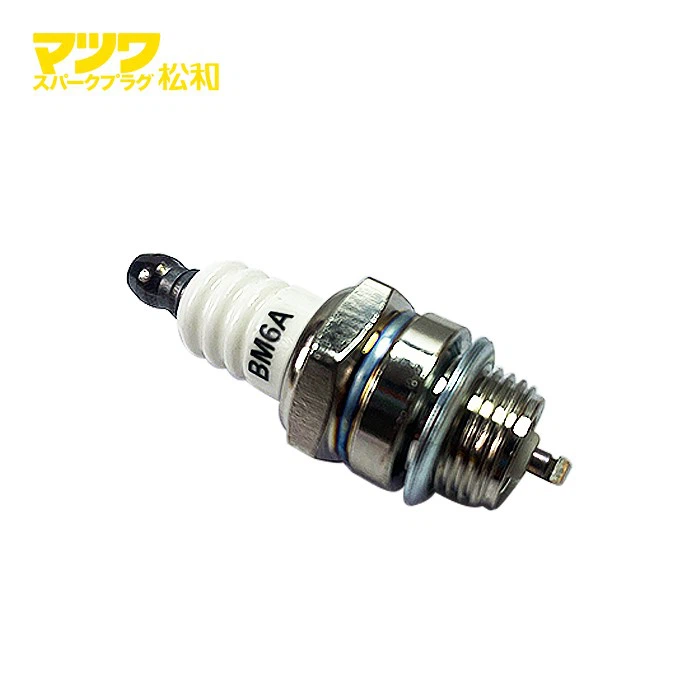
The insulator in a marine spark plug is typically made of a ceramic material. This ceramic is chosen for its excellent electrical insulation properties. You see, the spark plug has to carry a high-voltage electrical charge from the ignition system to the spark gap. If the insulator wasn't there, the electricity would just leak out into the engine block instead of creating a spark at the right place.
Think of the insulator as a protective shield. It keeps the electrical current on the right path, ensuring that the spark is generated precisely where it needs to be. This is super important because a proper spark is essential for efficient combustion. If the spark isn't strong enough or is misfiring, your engine won't run as well. You might experience issues like poor acceleration, rough idling, or even difficulty starting the engine.
Another important role of the insulator is to withstand high temperatures. The combustion process in a marine engine generates a ton of heat. The insulator has to be able to handle these extreme temperatures without breaking down or losing its insulating properties. If the insulator fails due to overheating, it can lead to a short circuit, which means no spark and a non-running engine.
In addition to heat resistance, the insulator also has to be resistant to chemical corrosion. The marine environment is tough on everything, including spark plugs. Saltwater, oil, and other contaminants can all cause corrosion over time. The ceramic insulator helps protect the spark plug from these corrosive elements, extending its lifespan.
Now, let's talk about how the design of the insulator affects the performance of the spark plug. The length and shape of the insulator can have a big impact. A longer insulator can provide better insulation and heat dissipation, which is great for high-performance engines. On the other hand, a shorter insulator might be more suitable for engines that operate at lower temperatures.
The shape of the insulator can also influence the way the spark is generated. Some insulators are designed with a special tip that helps to focus the spark, making it more efficient. This can lead to better combustion and improved engine performance.
As a marine spark plug supplier, I've seen firsthand how important it is to choose the right spark plug for your boat. The insulator plays a crucial role in the overall performance and reliability of the spark plug. That's why we offer a wide range of marine spark plugs, each carefully designed to meet the specific needs of different engines.
Whether you have a diesel engine or a gasoline engine, we've got you covered. Our Diesel Marine Spark Plugs are built to handle the high compression and heat of diesel engines, while our Gasoline Marine Spark Plugs are optimized for the unique requirements of gasoline engines.
If you're in the market for new marine spark plugs, or if you just have some questions about how they work, don't hesitate to reach out. We're here to help you find the perfect spark plugs for your boat and ensure that your engine runs smoothly for years to come.
In conclusion, the insulator in a marine spark plug is not just a simple part. It's a vital component that plays a key role in the ignition process, heat management, and protection against corrosion. By understanding its importance, you can make more informed decisions when it comes to maintaining and upgrading your boat's engine.
So, if you're ready to take your boating experience to the next level, give us a shout. We're looking forward to working with you and helping you keep your boat on the water.

References
- Marine Engine Handbook, various editions
- Technical manuals from major marine engine manufacturers