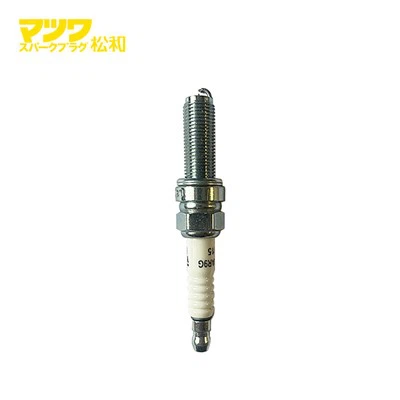
As a supplier of copper spark plugs, I've had the privilege of delving deep into the world of these essential automotive components. One question that frequently arises among enthusiasts and mechanics alike is: What is the color of a healthy copper spark plug? In this blog, we'll explore this topic in detail, shedding light on the significance of spark plug color and how it can indicate the health of your engine.
Understanding Spark Plugs
Before we dive into the color aspect, let's briefly understand what a spark plug does. A spark plug is a crucial part of an internal combustion engine. Its primary function is to ignite the air - fuel mixture in the combustion chamber, which powers the engine. Copper spark plugs are known for their excellent thermal conductivity, which helps in dissipating heat efficiently from the combustion chamber. This property makes them a popular choice for many engines.
The Importance of Spark Plug Color
The color of a spark plug can tell us a great deal about the engine's performance. When the engine is running, the spark plug is exposed to high - temperature combustion gases. The deposits and color changes on the spark plug's insulator and electrodes can provide valuable insights into the engine's operating conditions, such as the air - fuel ratio, ignition timing, and the overall health of the combustion process.


The Color of a Healthy Copper Spark Plug
A healthy copper spark plug typically has a light tan or grayish - brown color on the insulator tip. This color indicates that the engine is running at an optimal air - fuel ratio. When the air - fuel mixture is just right, the combustion process is efficient, and there is complete burning of the fuel. As a result, the spark plug doesn't accumulate excessive deposits, and the insulator tip retains a clean, light - colored appearance.
The electrodes of a healthy copper spark plug should also show minimal wear. They should be sharp and free from excessive erosion or melting. The copper center electrode, in particular, should maintain its shape and integrity. A well - functioning spark plug will have a consistent spark across the electrode gap, which is essential for proper ignition of the air - fuel mixture.
What Other Colors Indicate
Black and Sooty
If the spark plug is black and sooty, it usually means that the engine is running rich. A rich air - fuel mixture contains too much fuel and not enough air. This can be caused by a variety of factors, such as a faulty fuel injector, a clogged air filter, or incorrect carburetor settings. When the engine runs rich, the unburned fuel accumulates on the spark plug, causing it to turn black. A rich mixture can lead to reduced fuel efficiency, increased emissions, and poor engine performance.
White and Blistered
A white and blistered spark plug indicates that the engine is running too hot. This could be due to a lean air - fuel mixture (too much air and not enough fuel), incorrect ignition timing, or a cooling system problem. When the engine runs lean, the combustion temperature is higher, which can cause the spark plug's insulator to blister and turn white. High - temperature conditions can also lead to pre - ignition and engine damage if not addressed promptly.
Oil Deposits
If there are oil deposits on the spark plug, it suggests that there is an issue with the engine's lubrication system. Oil may be leaking into the combustion chamber, which can be caused by worn piston rings, valve stem seals, or a faulty PCV (Positive Crankcase Ventilation) valve. Oil on the spark plug can foul the spark and prevent proper ignition, leading to misfires and poor engine performance.
Maintaining the Health of Copper Spark Plugs
To ensure that your copper spark plugs remain in good condition, regular maintenance is essential. Here are some tips:
- Replace Spark Plugs at Recommended Intervals: Copper spark plugs generally have a shorter lifespan compared to other types, such as Platinum Motorcycle Spark Plugs. It's important to follow the manufacturer's recommendations for spark plug replacement to maintain optimal engine performance.
- Check the Air - Fuel Ratio: A proper air - fuel ratio is crucial for the health of the spark plug and the engine. If you suspect that the engine is running rich or lean, have the air - fuel ratio checked and adjusted by a professional mechanic.
- Inspect the Ignition System: The ignition system, including the spark plug wires and ignition coils, should be inspected regularly. Faulty ignition components can cause weak or inconsistent sparks, leading to poor combustion and premature spark plug wear.
- Keep the Engine Cool: Overheating can damage the spark plugs and the engine. Make sure the cooling system is functioning properly, and the coolant levels are maintained.
Applications of Copper Spark Plugs
Copper spark plugs are widely used in various types of engines, including motorcycles and small - displacement vehicles. For example, Spark Plugs For YZ 125 are often copper spark plugs. The excellent thermal conductivity of copper makes them suitable for engines that operate at high - RPMs and require efficient heat dissipation.
In the case of 2013 Honda Cbr250r Spark Plug, copper spark plugs can provide reliable ignition performance. The small - displacement engine of the CBR250r benefits from the quick heat transfer properties of copper, ensuring consistent combustion and smooth engine operation.
Conclusion
In conclusion, the color of a healthy copper spark plug is light tan or grayish - brown, indicating an optimal air - fuel ratio and efficient combustion. By paying attention to the color and condition of your spark plugs, you can diagnose engine problems early and take appropriate measures to maintain the health of your engine.
As a supplier of copper spark plugs, we are committed to providing high - quality products that meet the needs of our customers. Whether you are a motorcycle enthusiast, a mechanic, or a vehicle owner, we have the right copper spark plugs for your engine. If you are interested in purchasing our copper spark plugs or have any questions about spark plug selection and maintenance, please feel free to contact us for a detailed discussion. We look forward to working with you to ensure the optimal performance of your engines.
References
- "Automotive Engine Performance" by James D. Halderman
- "Motorcycle Maintenance Manuals" by various motorcycle manufacturers