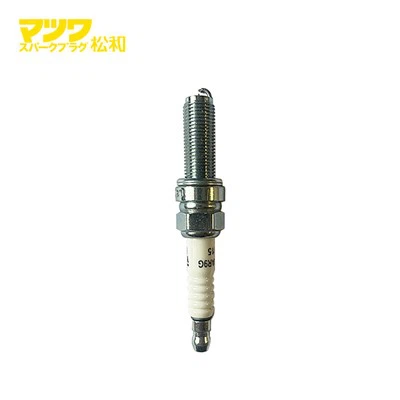
Hey there! As a supplier of engine spark plugs, I've seen my fair share of issues with wet spark plugs. It's a common problem that can really mess with your engine's performance. In this post, I'm gonna walk you through how to dry wet engine spark plugs and get your engine running smoothly again.
Why Do Spark Plugs Get Wet?
First off, let's talk about why spark plugs get wet in the first place. There are a few reasons for this. One of the most common is flooding. When you flood your engine, too much fuel gets into the combustion chamber, and it can soak the spark plugs. This often happens when you try to start a cold engine and keep cranking it without giving it a chance to fire up properly.
Another reason could be a leaking fuel injector. If a fuel injector is leaking, it can send extra fuel into the combustion chamber, which will end up on the spark plugs. Also, a faulty ignition system can cause wet spark plugs. If the spark isn't strong enough to ignite the fuel - air mixture, the fuel will just sit there and accumulate on the plugs.
How to Tell if Your Spark Plugs Are Wet
So, how do you know if your spark plugs are wet? Well, the most obvious sign is that your engine won't start or runs really rough. You might also notice a strong smell of gasoline coming from the exhaust. If you're feeling adventurous, you can remove the spark plugs and take a look at them. Wet spark plugs will look shiny and have a film of fuel on them.
Tools You'll Need
Before you start drying your wet spark plugs, you'll need a few tools. You'll need a spark plug socket, which is a special socket designed to fit over the spark plug. You'll also need a ratchet to turn the socket. A clean, dry cloth or paper towel is essential for wiping the plugs. And if you want to be extra thorough, you can use compressed air to blow out any remaining moisture.
Step - by - Step Guide to Drying Wet Spark Plugs
Step 1: Safety First
Before you do anything, make sure your engine is turned off and has cooled down. You don't want to burn yourself on a hot engine. Also, disconnect the battery to avoid any electrical shocks.
Step 2: Locate the Spark Plugs
The location of the spark plugs can vary depending on your vehicle. Usually, they're on top of the engine, covered by a plastic or metal cover. Remove the cover to expose the spark plug wires.
Step 3: Remove the Spark Plug Wires
Gently pull the spark plug wires off the spark plugs. Be careful not to yank them too hard, as you could damage the wires.
Step 4: Remove the Spark Plugs
Use the spark plug socket and ratchet to remove the spark plugs. Turn the ratchet counter - clockwise to loosen the plugs. Once they're loose, you can pull them out by hand.
Step 5: Inspect the Spark Plugs
Take a close look at the spark plugs. If they're just wet with fuel, you can dry them. But if they're damaged, like if the electrodes are worn or the ceramic part is cracked, you'll need to replace them. You can check out our Spark Plug For Buick or Truck Spark Plugs for suitable replacements.
Step 6: Dry the Spark Plugs
Use a clean, dry cloth or paper towel to wipe the spark plugs. Make sure you get rid of all the fuel and moisture on the outside. If there's still some moisture inside the plug, you can use compressed air to blow it out. Hold the plug at an angle and blow the air through it to get rid of any remaining water or fuel.


Step 7: Reinstall the Spark Plugs
Once the spark plugs are dry, carefully reinstall them. Use the spark plug socket and ratchet to tighten the plugs. Don't over - tighten them, as this can damage the threads in the engine. Then, reconnect the spark plug wires.
Step 8: Reconnect the Battery
After you've reinstalled the spark plugs, reconnect the battery.
Step 9: Start the Engine
Now, try starting your engine. If everything went well, your engine should start up and run smoothly. If it still doesn't start, there might be another problem, and you may need to consult a mechanic.
Preventing Wet Spark Plugs
To avoid having wet spark plugs in the future, there are a few things you can do. First, make sure you're starting your engine correctly. When starting a cold engine, don't keep cranking it for too long. Let it try to fire up on its own.
Regular maintenance is also key. Have your fuel injectors checked and cleaned regularly to prevent leaks. And make sure your ignition system is in good working order. You might want to consider using high - quality spark plugs like our Platinum Spark Plugs, which are more durable and can provide a stronger spark.
Conclusion
Drying wet engine spark plugs isn't too difficult if you follow these steps. It's an important skill to have, as wet spark plugs can really affect your engine's performance. And if you ever need new spark plugs, we're here as your trusted supplier. Whether you need spark plugs for a Buick, a truck, or just want high - quality platinum spark plugs, we've got you covered.
If you're interested in purchasing our engine spark plugs, feel free to reach out to us for a quote and to start a procurement discussion. We're always happy to work with you to find the best spark plugs for your needs.
References
- "Automotive Engine Repair Manual"
- "Spark Plug Handbook"