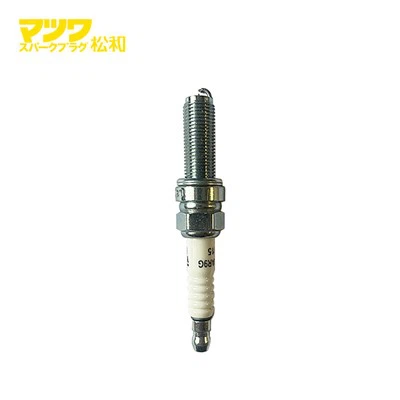
Hey there, fellow engine enthusiasts! As a supplier of Engine Spark Plugs, I've seen firsthand how crucial these little components are for the smooth operation of an engine. Today, I'm gonna walk you through the inspection procedure for engine spark plugs. It's super important to keep an eye on your spark plugs because they play a key role in the ignition process of your engine.
Why Inspect Spark Plugs?
Before we jump into the inspection process, let's talk about why it's so important to check your spark plugs regularly. Spark plugs are responsible for creating the spark that ignites the air - fuel mixture in your engine's cylinders. If they're not working properly, you might experience a whole bunch of issues like poor fuel economy, rough idling, misfires, and even reduced engine power. By inspecting your spark plugs, you can catch problems early and avoid more serious engine damage down the road.


Tools You'll Need
To inspect your spark plugs, you don't need a whole bunch of fancy tools. Here's what you'll need:
- A spark plug socket: This is a special socket designed to fit over the spark plug. It usually has a rubber insert to hold the plug in place.
- A ratchet or a wrench: You'll use this to remove the spark plug from the engine.
- A wire brush: This is for cleaning the spark plug if it's dirty.
- A gap gauge: This tool is used to measure the gap between the electrodes of the spark plug.
Step - by - Step Inspection Procedure
Step 1: Locate the Spark Plugs
First things first, you need to find where the spark plugs are in your engine. In most engines, they're located on the top of the engine block. You'll see a set of thick wires (spark plug wires) connected to the spark plugs. Just follow these wires to find the plugs.
Step 2: Remove the Spark Plug Wires
Once you've located the spark plugs, gently grasp the spark plug wire at the base where it connects to the plug. Give it a firm, steady pull to remove it from the plug. Be careful not to pull on the wire itself, as this can damage the wire.
Step 3: Remove the Spark Plug
Now, it's time to remove the spark plug. Take your spark plug socket and attach it to the ratchet or wrench. Place the socket over the spark plug and turn it counter - clockwise to loosen the plug. Once it's loose, you can use your hand to finish removing the plug from the engine.
Step 4: Inspect the Spark Plug
Here comes the fun part! Take a close look at the spark plug. Here are some things to look for:
Color
- Normal: A healthy spark plug should have a light tan or grayish - brown color on the insulator. This indicates that the plug is operating at the right temperature and the engine is running well.
- Black and Sooty: If the spark plug is black and sooty, it could mean that the engine is running too rich (too much fuel and not enough air). This could be due to a faulty fuel injector, a clogged air filter, or a problem with the engine's sensors.
- White and Chalky: A white and chalky appearance on the spark plug can indicate that the engine is running too lean (not enough fuel and too much air). This could be caused by a vacuum leak, a problem with the fuel pump, or a malfunctioning oxygen sensor.
Electrodes
- Check the electrodes of the spark plug. The center electrode and the ground electrode should be in good condition. If the electrodes are worn down, pitted, or damaged, the spark plug needs to be replaced. You can use a wire brush to clean the electrodes if they're just dirty, but if they're severely worn, it's time for a new plug.
Gap
The gap between the center electrode and the ground electrode is crucial for the proper operation of the spark plug. Use a gap gauge to measure the gap. Compare the measured gap with the specifications for your engine. If the gap is too wide or too narrow, you can adjust it using a gap tool.
Step 5: Clean or Replace the Spark Plug
If the spark plug is just dirty, you can clean it using a wire brush. Gently brush the electrodes and the insulator to remove any dirt or carbon deposits. However, if the spark plug is worn, damaged, or has an incorrect gap that can't be adjusted, it's best to replace it.
Step 6: Install the New Spark Plug
If you're installing a new spark plug, make sure to check the gap first and adjust it if necessary. Then, carefully thread the spark plug into the engine by hand. Once it's started, use the spark plug socket and ratchet to tighten it. Be careful not to over - tighten the plug, as this can damage the threads in the engine block.
Step 7: Reconnect the Spark Plug Wires
Finally, reconnect the spark plug wires to the spark plugs. Make sure they're firmly seated on the plugs.
Different Types of Spark Plugs and Their Inspection
We offer a wide range of spark plugs, like the Spark Plug For Honda and Regarding Needle Spark Plugs. Different types of spark plugs may require slightly different inspection procedures. For example, needle spark plugs have a very fine electrode, so you need to be extra careful when inspecting them.
Importance of Quality Spark Plugs
Using high - quality spark plugs is essential for the performance and longevity of your engine. That's why we're proud to offer Engine Spark Plugs that are made to the highest standards. Our spark plugs are designed to provide a strong, consistent spark, which helps your engine run smoothly and efficiently.
Conclusion
Inspecting your engine spark plugs is a simple yet important task that can save you a lot of headaches in the long run. By following the steps outlined above, you can keep your engine running at its best. If you have any questions about spark plugs or need help choosing the right ones for your engine, don't hesitate to reach out. We're here to help you make the best decision for your engine. Whether you're a professional mechanic or a DIY enthusiast, we've got the spark plugs you need. So, if you're in the market for new spark plugs, get in touch with us for a great deal and top - notch products.
References
- "Automotive Engine Repair Manual"
- "Spark Plug Handbook"