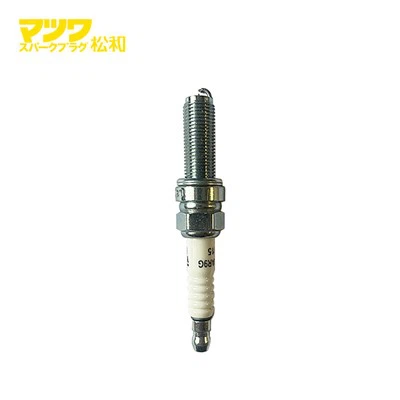
When it comes to maintaining your vehicle, replacing auto spark plugs is a crucial task that can significantly impact your car's performance. As an auto spark plugs supplier, I understand the importance of having the right tools for this job. In this blog post, I'll walk you through the essential tools you need to replace auto spark plugs effectively.
1. Spark Plug Socket
The most fundamental tool for replacing spark plugs is a spark plug socket. This specialized socket is designed to fit snugly around the spark plug, allowing you to remove and install it without damaging the plug or the surrounding components. Spark plug sockets come in various sizes to accommodate different spark plug designs, so it's essential to choose the right size for your vehicle.
When selecting a spark plug socket, look for one with a rubber insert inside. This insert helps to grip the spark plug securely, preventing it from slipping out of the socket during removal or installation. Additionally, a socket with a long extension can be beneficial, especially if your spark plugs are located deep within the engine compartment.
2. Ratchet Wrench
A ratchet wrench is used in conjunction with the spark plug socket to turn the socket and remove or install the spark plugs. Ratchet wrenches come in different sizes and drive types, such as 1/4-inch, 3/8-inch, and 1/2-inch drives. For most spark plug replacement jobs, a 3/8-inch drive ratchet wrench is sufficient.
Choose a ratchet wrench with a comfortable grip and a smooth ratcheting mechanism. This will make it easier to turn the socket and apply the necessary torque to remove or install the spark plugs. Some ratchet wrenches also have a reversible mechanism, allowing you to switch between tightening and loosening the spark plugs quickly.
3. Gap Gauge
A gap gauge is a small tool used to measure the gap between the center and ground electrodes of a spark plug. The correct spark plug gap is crucial for proper ignition and engine performance. If the gap is too wide or too narrow, it can cause misfires, poor fuel economy, and other engine problems.
Before installing new spark plugs, it's essential to check and adjust the gap using a gap gauge. Most spark plugs come pre-gapped, but it's still a good idea to double-check the gap to ensure it's within the manufacturer's specifications. To adjust the gap, you can use a small flat-tip screwdriver or a spark plug gap tool.
4. Dielectric Grease
Dielectric grease is a silicone-based grease that is used to protect electrical connections from moisture, corrosion, and dirt. When replacing spark plugs, it's a good idea to apply a small amount of dielectric grease to the inside of the spark plug boot. This will help to create a better seal between the boot and the spark plug, preventing moisture from entering the connection and causing electrical problems.
Dielectric grease also helps to make it easier to remove the spark plug boots in the future. Simply apply a thin layer of grease to the inside of the boot using a small brush or your finger, and then slide the boot onto the spark plug.
5. Spark Plug Boot Puller
A spark plug boot puller is a specialized tool used to remove the spark plug boots from the spark plugs. Spark plug boots can be difficult to remove, especially if they have been in place for a long time or if they are stuck due to heat or corrosion. A spark plug boot puller makes it easier to grip the boot and pull it off the spark plug without damaging the boot or the spark plug.
There are several types of spark plug boot pullers available, including pliers-style pullers and socket-style pullers. Choose a spark plug boot puller that is compatible with your vehicle's spark plug boots.
6. Torque Wrench
A torque wrench is a tool used to apply a specific amount of torque to a fastener, such as a spark plug. Over-tightening or under-tightening spark plugs can cause problems, such as stripped threads, cracked cylinders, or poor ignition. Using a torque wrench ensures that the spark plugs are tightened to the manufacturer's recommended torque specification.
Most spark plugs require a torque of between 10 and 20 foot-pounds. Consult your vehicle's owner's manual or the spark plug manufacturer's specifications to determine the correct torque for your spark plugs.
7. Compressed Air
Compressed air can be used to clean the area around the spark plugs before removing them. This helps to prevent dirt and debris from falling into the combustion chamber when the spark plugs are removed. You can use a can of compressed air or an air compressor to blow out any dirt or debris from the spark plug wells.
8. Safety Glasses and Gloves
When working on your vehicle, it's important to wear safety glasses and gloves to protect your eyes and hands from injury. Spark plugs can be hot, and there may be sharp edges or debris in the engine compartment. Safety glasses will protect your eyes from flying debris, and gloves will protect your hands from cuts, burns, and chemicals.
Conclusion
Replacing auto spark plugs is a relatively simple task that can be done with the right tools and a little bit of knowledge. As an auto spark plugs supplier, I recommend investing in high-quality tools to ensure that the job is done correctly. By using the tools mentioned in this blog post, you can replace your spark plugs safely and effectively, improving your vehicle's performance and fuel economy.
If you're in the market for high-quality auto spark plugs, we offer a wide range of options, including Double Platinum Spark Plugs, Spark Plugs For Vehicle, and Car Spark Plugs. Our spark plugs are designed to provide reliable performance and long-lasting durability.


If you have any questions about our products or need assistance with spark plug replacement, please don't hesitate to contact us. We're here to help you keep your vehicle running smoothly.
References
- Chilton's Auto Repair Manuals
- Haynes Repair Manuals
- Vehicle Owner's Manuals