Flex-fuel engines are a fascinating piece of automotive tech that have been gaining traction in recent years. As someone working in the biz of supplying automotive spark plugs, I've seen firsthand how these engines and spark plugs interact. Let's dig into it and see what's going on under the hood.
First off, what exactly is a flex-fuel engine? Well, unlike your regular engines that can only run on one type of fuel, flex-fuel engines are designed to handle different blends of gasoline and ethanol. You can fill 'em up with anywhere from pure gasoline to E85, which is 85% ethanol and 15% gasoline. This flexibility gives drivers more options at the pump and can be a bit more environmentally friendly, too.
Now, let's talk about how these engines work. When you turn the key in a flex-fuel engine, the spark plug plays a crucial role. It's like the starting gun in a race. The spark plug creates a high-voltage spark that ignites the air-fuel mixture in the engine's combustion chamber. This ignition causes a controlled explosion, which then forces the pistons down and gets the engine running.
But here's the thing: different fuel blends behave differently. Gasoline and ethanol have different chemical properties, which means they burn at different rates and need different amounts of energy to ignite. That's where the spark plug comes in. The right spark plug can make sure that the air-fuel mixture ignites properly, no matter what blend you're using.
Let's start with the basics of spark plugs. There are different types, and each has its own quirks. For flex-fuel engines, you gotta think about a few key factors. The heat range of a spark plug is super important. It refers to how quickly the spark plug can transfer heat away from the tip. If the heat range is too hot, the spark plug can overheat, leading to pre-ignition and engine damage. If it's too cold, the spark plug might not burn off deposits, which can cause fouling and misfires.
For flex-fuel engines, you typically want a spark plug with a heat range that can handle the varying combustion temperatures of different fuel blends. Ethanol burns cooler than gasoline, so you might need a slightly hotter spark plug to make sure the ethanol-rich mixtures ignite properly. But on the other hand, if you're running mostly on gasoline, you don't want the spark plug to overheat. It's a delicate balance, but finding the right heat range is key to getting the most out of your flex-fuel engine.
Another important factor is the electrode design. The electrode is the part of the spark plug that creates the spark. There are different electrode materials and shapes available, and each can affect how well the spark plug performs in a flex-fuel engine. For example, iridium electrodes are super popular these days. They're really durable and can create a strong, consistent spark. This is great for flex-fuel engines because it helps ensure reliable ignition, no matter what fuel blend you're using.
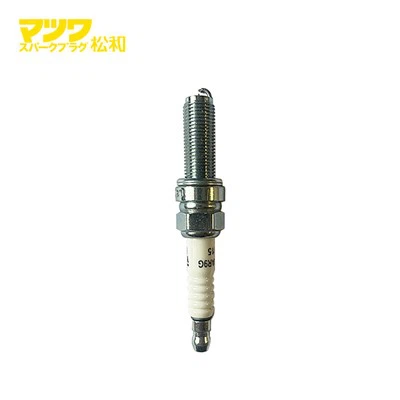
If you're looking for high-quality spark plugs for your flex-fuel engine, you might want to check out our Auto Gas Engine Iridium Spark Plugs. These spark plugs are designed to handle the unique demands of flex-fuel engines, with their iridium electrodes offering long-lasting performance and reliable ignition.
Now, let's talk about some of the challenges that flex-fuel engines can present for spark plugs. One of the big issues is ethanol's corrosive nature. Ethanol can be tough on spark plugs, especially if the engine is running on a high-ethanol blend like E85. Over time, the ethanol can corrode the electrodes and other parts of the spark plug, which can lead to reduced performance and a shorter lifespan. To combat this, spark plug manufacturers are constantly coming up with new materials and coatings that can resist ethanol corrosion.
Also, the different combustion characteristics of gasoline and ethanol can cause carbon deposits to build up on the spark plugs. These deposits can interfere with the spark, causing misfires and reducing engine performance. That's why it's important to choose a spark plug that has good anti-fouling properties. Some spark plugs are designed with special features to help prevent carbon buildup, like a self-cleaning design or a special coating.
For specific makes and models, the right spark plug choice can make a huge difference. For example, if you've got a Buick, you'll want a spark plug that's tailored to your engine's needs. Check out our Spark Plug For Buick for a solution that's designed to work well with Buick's engines, including those that are flex-fuel capable.
In addition to performance and durability, you also gotta think about fuel efficiency. The right spark plug can actually help improve your engine's fuel efficiency. When the air-fuel mixture ignites properly, the engine can burn the fuel more completely, which means you'll get more power out of each drop of fuel. This is especially important for flex-fuel engines, where the different fuel blends can have varying energy densities.

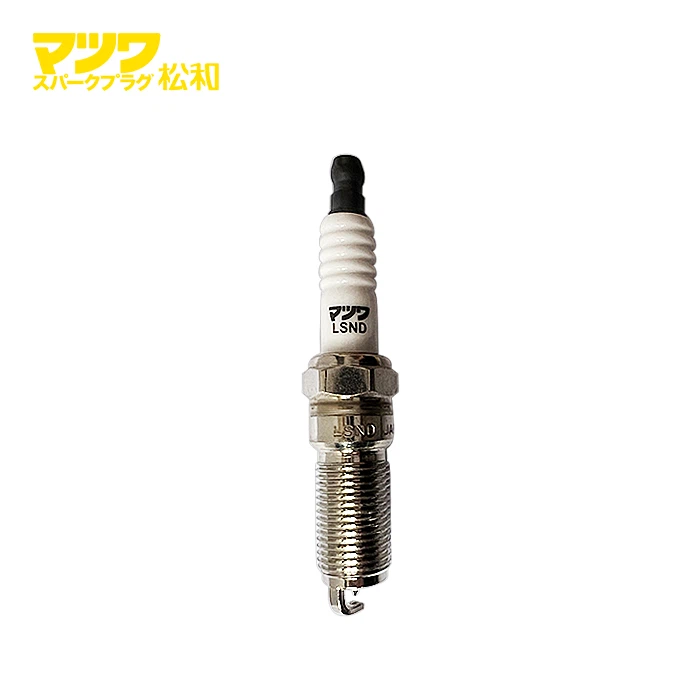
We offer a wide range of Car Spark Plugs that are suitable for flex-fuel engines. Whether you're looking for a high-performance option or something more budget-friendly, we've got you covered. Our team of experts can also help you choose the right spark plug for your specific engine and fuel needs.
If you're someone who owns a flex-fuel vehicle or you're in the automotive industry and want to stock up on reliable spark plugs, we're here to help. We understand the unique challenges that flex-fuel engines pose for spark plugs, and we've got the products and knowledge to meet your needs.
Whether you're a DIY car enthusiast looking to change your own spark plugs or a professional mechanic working in a shop, our selection of spark plugs can provide the performance and reliability you're looking for. Don't hesitate to reach out to us to discuss your options and get the best spark plugs for your flex-fuel engine. We're ready to have a chat about your needs and help you make the right choice.
In conclusion, the interaction between flex-fuel engines and automotive spark plugs is a complex but fascinating topic. By understanding the unique demands of these engines and choosing the right spark plug, you can ensure optimal performance, reliability, and fuel efficiency. So if you're in the market for spark plugs for your flex-fuel engine, give us a call and let's talk business.
References
- Heywood, J. B. (1988). Internal Combustion Engine Fundamentals. McGraw-Hill.
- Taylor, C. F. (1966). The Internal-Combustion Engine in Theory and Practice. MIT Press.