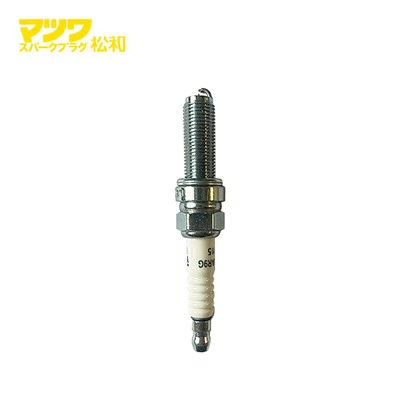
When it comes to maintaining and optimizing the performance of an automobile, one crucial component that often gets overlooked is the spark plug. As an auto spark plugs supplier, I understand the significance of choosing the right heat range for these small yet mighty parts. In this blog post, I'll delve into the factors that influence spark plug heat range selection and provide you with valuable insights to make an informed decision.
Understanding Spark Plug Heat Range
Before we dive into the selection process, it's essential to understand what spark plug heat range means. The heat range of a spark plug refers to its ability to transfer heat from the firing end to the engine's cooling system. It is determined by the design and materials used in the spark plug's construction, particularly the length and composition of the insulator nose.
A spark plug with a hot heat range has a longer insulator nose, which means it retains more heat. This type of spark plug is suitable for engines that operate at lower temperatures or under light loads. On the other hand, a cold heat range spark plug has a shorter insulator nose, allowing it to dissipate heat more quickly. Cold heat range spark plugs are ideal for high-performance engines that generate a lot of heat, such as those used in racing or heavy-duty applications.
Factors Affecting Spark Plug Heat Range Selection
Several factors influence the choice of spark plug heat range for your vehicle. Here are some of the most important ones to consider:
Engine Load and Performance
The load and performance requirements of your engine play a significant role in determining the appropriate spark plug heat range. Engines that operate under heavy loads, such as those in towing vehicles or high-performance sports cars, generate more heat and require a colder heat range spark plug. Conversely, engines that operate under light loads, such as those in economy cars or daily commuters, can use a hotter heat range spark plug.
Ignition Timing
The ignition timing of your engine also affects the heat generated by the spark plug. Advanced ignition timing causes the spark to occur earlier in the compression stroke, resulting in more heat being generated. In this case, a colder heat range spark plug may be necessary to prevent pre-ignition and detonation. On the other hand, retarded ignition timing delays the spark, reducing the heat generated and allowing for a hotter heat range spark plug.
Fuel Octane Rating
The octane rating of the fuel you use in your vehicle can impact the choice of spark plug heat range. Higher octane fuels have a higher resistance to detonation, allowing for more advanced ignition timing and higher engine compression ratios. As a result, engines running on high-octane fuel may require a colder heat range spark plug to prevent pre-ignition and detonation. Conversely, engines running on lower octane fuel may need a hotter heat range spark plug to ensure proper combustion.
Engine Modifications
If you've made any modifications to your engine, such as installing a turbocharger, supercharger, or performance camshaft, you may need to adjust the spark plug heat range accordingly. These modifications can increase the engine's power output and heat generation, requiring a colder heat range spark plug to maintain optimal performance and prevent damage.
How to Choose the Right Heat Range for Your Spark Plugs
Now that you understand the factors that influence spark plug heat range selection, here are the steps you can take to choose the right heat range for your vehicle:
Consult Your Vehicle's Owner's Manual
The first step in choosing the right spark plug heat range is to consult your vehicle's owner's manual. The manual will provide you with the manufacturer's recommended spark plug specifications, including the heat range. Following the manufacturer's recommendations is always a good starting point, as they are based on extensive testing and engineering to ensure optimal performance and reliability.
Consider Your Driving Conditions
In addition to the manufacturer's recommendations, you should also consider your driving conditions when choosing a spark plug heat range. If you do a lot of stop-and-go driving in the city, your engine may operate at lower temperatures and under lighter loads, making a hotter heat range spark plug a suitable choice. On the other hand, if you frequently drive on the highway or engage in high-performance driving, your engine will generate more heat and require a colder heat range spark plug.


Monitor Your Engine's Performance
Once you've installed the spark plugs, it's important to monitor your engine's performance to ensure they are the right fit. Pay attention to any signs of pre-ignition, detonation, or poor fuel economy, as these may indicate that the spark plug heat range is incorrect. If you notice any issues, you may need to adjust the heat range accordingly.
Seek Professional Advice
If you're still unsure about which spark plug heat range is right for your vehicle, don't hesitate to seek professional advice. A qualified mechanic or automotive technician can help you determine the appropriate spark plug specifications based on your vehicle's make, model, and driving conditions. They can also provide you with valuable insights and recommendations to ensure optimal performance and reliability.
Our Spark Plug Offerings
As an auto spark plugs supplier, we offer a wide range of spark plugs to meet the needs of different vehicles and driving conditions. Our product lineup includes Spark Plug For TOYOTA, Auto Gas Engine Iridium Spark Plugs, and Car Spark Plugs. All of our spark plugs are designed and manufactured to the highest quality standards, ensuring reliable performance and long service life.
Conclusion
Choosing the right heat range for your auto spark plugs is essential for maintaining optimal engine performance and reliability. By understanding the factors that influence spark plug heat range selection and following the steps outlined in this blog post, you can make an informed decision and ensure that your vehicle runs smoothly and efficiently. If you have any questions or need further assistance, please don't hesitate to contact us. We're here to help you find the perfect spark plugs for your vehicle.
References
- Bosch Automotive Handbook, 8th Edition
- NGK Spark Plug Technical Manual
- Champion Spark Plug Technical Guide