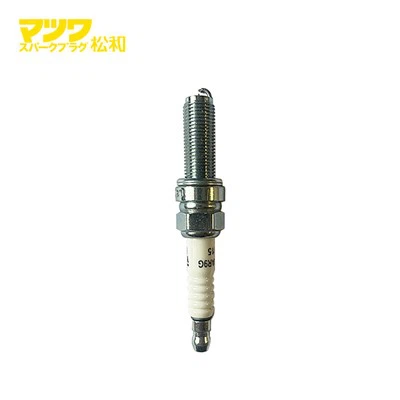
As a trusted supplier of copper spark plugs, I understand the importance of both the performance these components bring to engines and the safety measures required when handling them. In this blog, I'll share a comprehensive guide on how to safely remove copper spark plugs.
Understanding Copper Spark Plugs
Copper spark plugs are a popular choice in the automotive and motorcycle industries due to their excellent thermal conductivity. This property allows them to dissipate heat quickly, which helps in preventing pre - ignition and engine knocking. They are also relatively affordable compared to other types of spark plugs, such as Iridium Motorcycle Spark Plugs and Nickel Alloy Motorcycle Spark Plugs. However, over time, copper spark plugs can wear out, and removing them safely becomes crucial for maintaining the engine's health.
Pre - removal Preparations
Safety First
Before you start the removal process, it's essential to prioritize safety. Make sure the engine has cooled down completely. A hot engine can cause burns if you accidentally touch it during the removal process. Wear appropriate safety gear, including gloves and safety glasses. Gloves will protect your hands from dirt, oil, and any sharp edges, while safety glasses will shield your eyes from debris that may be dislodged during the removal.
Gather the Right Tools
You'll need a few tools to remove copper spark plugs safely. The most important tool is a spark plug socket. This socket is specifically designed to fit over the spark plug and has a rubber insert that helps grip the plug securely. You'll also need a ratchet or a breaker bar to turn the socket. Additionally, a compressed air canister can be useful for blowing out any dirt or debris from the spark plug well before removal.
Locate the Spark Plugs
The location of the spark plugs can vary depending on the make and model of the vehicle. In most cars and motorcycles, you can find the spark plugs on the top or side of the engine. Consult your vehicle's owner's manual if you're having trouble locating them. Once you've found the spark plugs, identify each one to ensure you can reinstall them correctly later.
The Removal Process
Disconnect the Spark Plug Wires
If your vehicle has spark plug wires, start by disconnecting them from the spark plugs. Grip the boot of the wire firmly and pull it straight off the spark plug. Avoid pulling on the wire itself, as this can damage the wire or the connection. If the wire is stubborn, you can use a pair of pliers to gently twist the boot while pulling.
Clean the Spark Plug Well
Before removing the spark plug, it's crucial to clean the spark plug well. Use a compressed air canister to blow out any dirt, dust, or debris that may have accumulated in the well. This step is important because if any debris falls into the combustion chamber during the removal process, it can cause damage to the engine.
Loosen the Spark Plug
Insert the spark plug socket onto the spark plug. Make sure it fits snugly. Attach the ratchet or breaker bar to the socket. Turn the socket counter - clockwise to loosen the spark plug. You may encounter some resistance, especially if the spark plug has been in place for a long time. If the spark plug is very tight, you can use a breaker bar for extra leverage. However, be careful not to apply too much force, as this can damage the spark plug or the cylinder head.
Remove the Spark Plug
Once the spark plug is loose, you can use your hand to unscrew it the rest of the way. Carefully pull the spark plug out of the cylinder head. Be gentle to avoid dropping the spark plug or damaging it. Inspect the spark plug for any signs of damage, such as a cracked insulator or a worn electrode.
Post - removal Steps
Inspect the Spark Plug
After removing the spark plug, take a close look at it. A healthy copper spark plug should have a light brown or tan color on the insulator and electrode. If the spark plug is black and sooty, it may indicate a rich fuel mixture or a problem with the ignition system. A white or grayish - colored spark plug could mean a lean fuel mixture or overheating. If you notice any abnormal colors or signs of damage, it may be time to replace the spark plug.
Store the Spark Plug Properly
If you're planning to reuse the spark plug, store it in a clean, dry place. You can use a spark plug container or a small plastic bag to keep it protected. If you're replacing the spark plug, dispose of the old one properly according to local regulations.
Clean the Spark Plug Well Again
After removing the spark plug, use the compressed air canister to blow out any remaining debris from the spark plug well. This will ensure that no dirt or debris falls into the combustion chamber when you install the new spark plug.
Special Considerations for Different Vehicles
Motorcycles
Motorcycles often have more accessible spark plugs than cars, but they can still present some challenges. Some motorcycles have a small engine compartment, which can make it difficult to maneuver the tools. In such cases, you may need to remove some parts, such as the air filter or the fuel tank, to gain better access to the spark plugs. If you're working on a motorcycle, make sure to follow the manufacturer's instructions carefully. For those looking for specific spark plugs for New Zealand Honda motorcycles, you can check out Spark Plug For New Zealand Honda.


Cars
In cars, the spark plugs may be located in a more confined space. Some engines have a cover over the spark plugs that needs to be removed first. When removing the cover, be careful not to damage any of the electrical connections or hoses. Also, keep track of the order of the spark plugs and wires to ensure correct reinstallation.
Conclusion
Removing copper spark plugs safely is a task that requires careful preparation and the right technique. By following the steps outlined in this guide, you can remove copper spark plugs without causing damage to the engine or yourself. Remember, if you're unsure about any part of the process, it's always a good idea to consult a professional mechanic.
As a supplier of high - quality copper spark plugs, we're committed to providing you with the best products and information. If you're interested in purchasing copper spark plugs or have any questions about our products, we invite you to contact us for a procurement discussion. We look forward to serving your spark plug needs.
References
- Vehicle Owner's Manuals
- Automotive Repair Guides